
Prothrombin INR: What It Is and Why It Matters

If your doctor has mentioned a Prothrombin INR ,test you may be wondering what it is and why it’s important. This simple blood test helps measure how long it takes your blood to clot. It’s especially crucial for people on blood-thinning medications like warfarin, or those with certain clotting disorders.
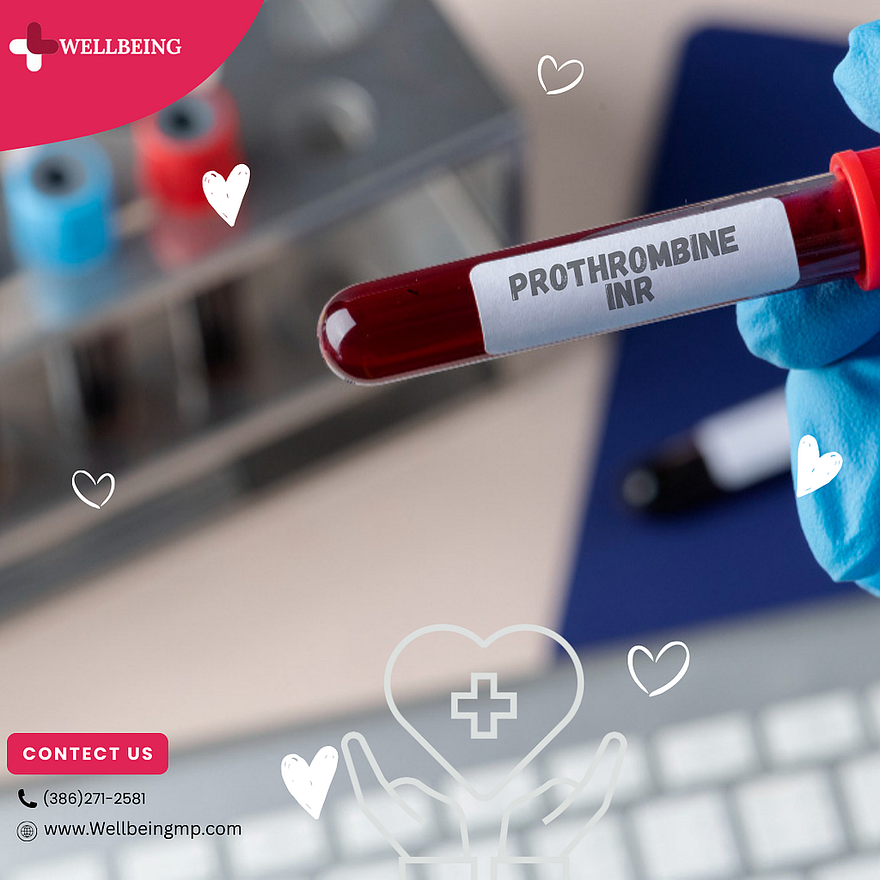
Prothrombin Time (PT) refers to the actual time it takes your blood to clot, while INR (International Normalized Ratio) standardizes the results across different labs, making it easier for doctors to interpret and compare. A normal INR for most people is around 0.8 to 1.1, but if you’re on anticoagulants, your target range may be 2.0 to 3.0, depending on your condition.

Doctors may order this test if you:

  • Are on blood thinners
  • Have symptoms of a bleeding or clotting disorder
  • Have liver disease
  • Need screening before surgery

Monitoring your Prothrombin INR regularly helps avoid complications like internal bleeding or dangerous blood clots. It’s a vital part of managing your overall health if you have certain medical conditions or take specific medications.


Comments

Popular posts from this blog

Testing For Alpha-gal | Warfarin And Prothrombin Time | Wellbeing

New When it comes to navigating your personal health journey, being informed and proactive is one of the best investments you can make. From rare allergies to blood thinning medications and everything in between, understanding the intricacies of your body can help you stay one step ahead. In this blog, we’re diving into three important health topics: Testing For Alpha-gal, Warfarin and Prothrombin Time, and the broader pursuit of Wellbeing. What Is Alpha-gal Syndrome and Why Testing Matters Alpha-gal syndrome is a potentially serious allergic reaction to red meat and other products made from mammals. It’s triggered by a bite from the Lone Star tick, which causes your body to develop an allergy to a sugar molecule called galactose-alpha-1,3-galactose—or simply, Alpha-gal. Unlike typical food allergies that produce immediate symptoms, Alpha-gal reactions can be delayed by 3–6 hours after eating red meat. This makes it tricky to diagnose without the proper testing. If you suspect you mig...

Warfarin And Prothrombin Time| Alpha-Gal Syndrome Testing: Comprehensive Care at Wellbeing

  Warfarin And Prothrombin Time| Alpha-Gal Syndrome Testing: Comprehensive Care at Wellbeing At Wellbeing, our mission is to provide accurate, compassionate, and advanced medical care for a wide range of conditions. Two important areas of our diagnostic and treatment expertise are anticoagulation therapy involving Warfarin and Prothrombin Time monitoring , and Alpha-Gal Syndrome testing, a relatively new but increasingly common allergy diagnosis. Though these may seem unrelated, both conditions require personalized care, ongoing monitoring, and specialized testing to ensure the health and safety of our patients. In this article, we’ll explore the role of Warfarin in managing blood clotting disorders, the importance of Prothrombin Time testing, and the critical steps involved in diagnosing Alpha-Gal Syndrome. Whether you are managing a chronic cardiovascular condition or seeking answers for unexplained allergic reactions, Wellbeing is here to support you every step of the way. Under...

Alpha-Gal Syndrome Test: Understanding the Condition and Its Impact on Wellbeing

 Alpha-Gal Syndrome (AGS) is an increasingly recognized allergic condition triggered by a bite from the Lone Star tick. This condition causes an allergic reaction to galactose-α-1,3-galactose (alpha-gal), a sugar molecule found in red meat and some animal-derived products. As awareness grows, testing for AGS has become crucial in managing the condition and ensuring overall wellbeing. What is Alpha-Gal Syndrome? Alpha-Gal Syndrome is a type of food allergy that can cause delayed allergic reactions after consuming red meat (beef, pork, lamb) or products containing animal-derived ingredients. Unlike traditional food allergies, which typically cause immediate symptoms, AGS reactions may be delayed by several hours, making it challenging to diagnose. Symptoms of Alpha-Gal Syndrome Hives or skin rash Gastrointestinal distress (nausea, diarrhea, vomiting) Swelling of lips, face, or tongue Respiratory issues (shortness of breath, wheezing) Anaphylaxis (severe, life-threatening reaction) Si...